What is Yoga ?

Here is the **English HTML in simpler, shorter wording** for the full page, based on your uploaded file. ```html

WHAT IS YOGA

What Is Yoga?

It is not what many people think

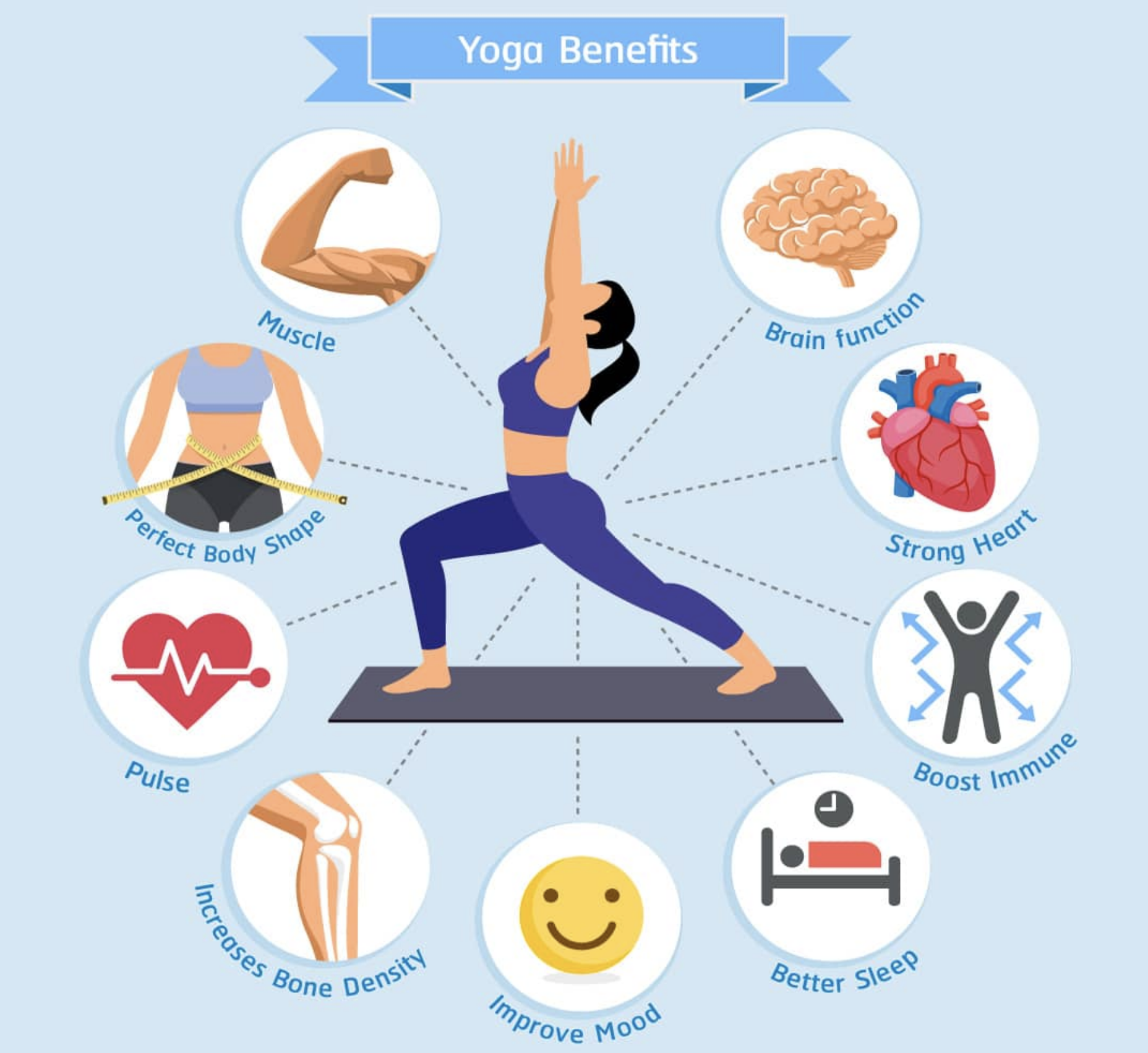
Yoga is not just stretching, not a flexibility contest, and not hard poses on Instagram. Yoga is a 5,000-year-old life practice about how you see yourself and how you live.

Common Myths About Yoga

In Hong Kong, many people still think yoga is just stretching, flexibility work, or a women’s activity. These ideas make many people miss what yoga really gives, and they can also lead people in the wrong direction.

Myth 1: “Yoga is just stretching”

This is probably the most common myth. Yoga poses do include stretching, but yoga is much more than that. In Patanjali’s Yoga Sutras, pose practice is only one part of the Eight Limbs of Yoga. Yoga also includes breath work, meditation, ethics, and focus training. Just stretching is not the same as real yoga practice.

Myth 2: “Yoga is for women”

In history, many early yoga practitioners were men. Several key names in modern yoga, such as B.K.S. Iyengar, K. Pattabhi Jois, and T. Krishnamacharya, were all men. Yoga asks for core strength, balance, and focus. It suits all genders and all ages.

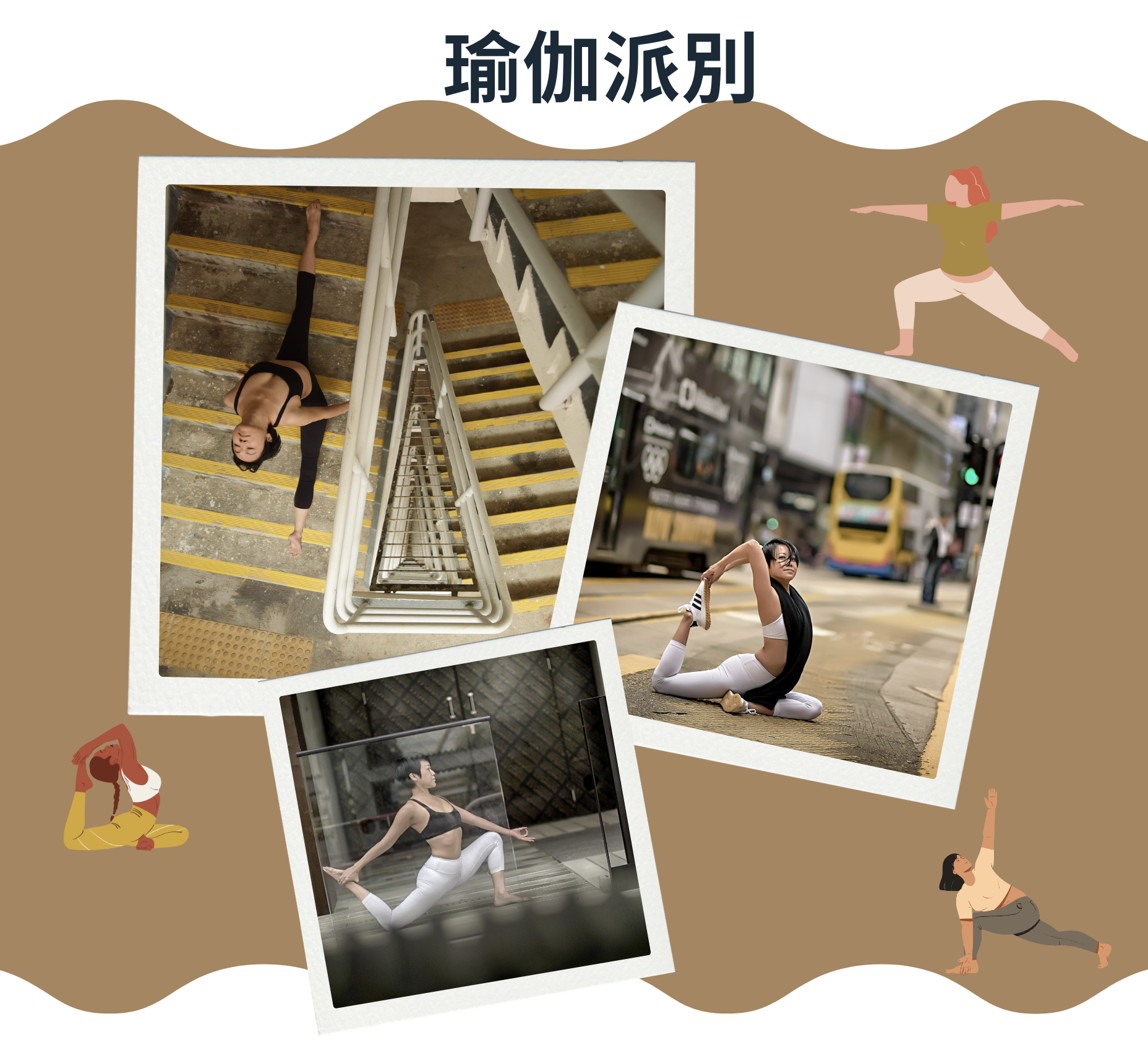
Myth 3: “Hard poses mean better yoga”

Being able to do handstands or splits does not mean your yoga is better than someone else’s. Real yoga means exploring within your own body, with awareness and breath. A simple pose with good alignment and steady breathing is worth much more than a hard pose forced by effort.

Myth 4: “Yoga is a religion”

Yoga comes from ancient Indian philosophy, but yoga itself is not a religion. It does not ask you to follow a god or a belief system. It is a practice of body-mind connection, self-understanding, and how to live. People from any background can benefit from it.

The Real Meaning of Yoga

The word Yoga comes from the Sanskrit word “Yuj,” which means to join or to connect. It means the connection between body and mind, between yourself and the present moment, and between your inner world and the outer world.

Yoga cannot be explained as just exercise. That is what makes it special. You can practise yoga at any time. Sitting quietly and not letting the mind be pulled around by noise — that is yoga. Giving full attention to your work — that is yoga too. Letting go of today’s worries and tomorrow’s fear so you can sleep peacefully — that is also yoga.

Around 200 BCE, the Indian philosopher Patanjali organised yoga into the Eight Limbs of Yoga, a full system that moves from outer action to inner awakening:

1. Yama — how we relate to the outer world
2. Niyama — how we work with ourselves
3. Asana — pose practice (the part most people call “yoga”)
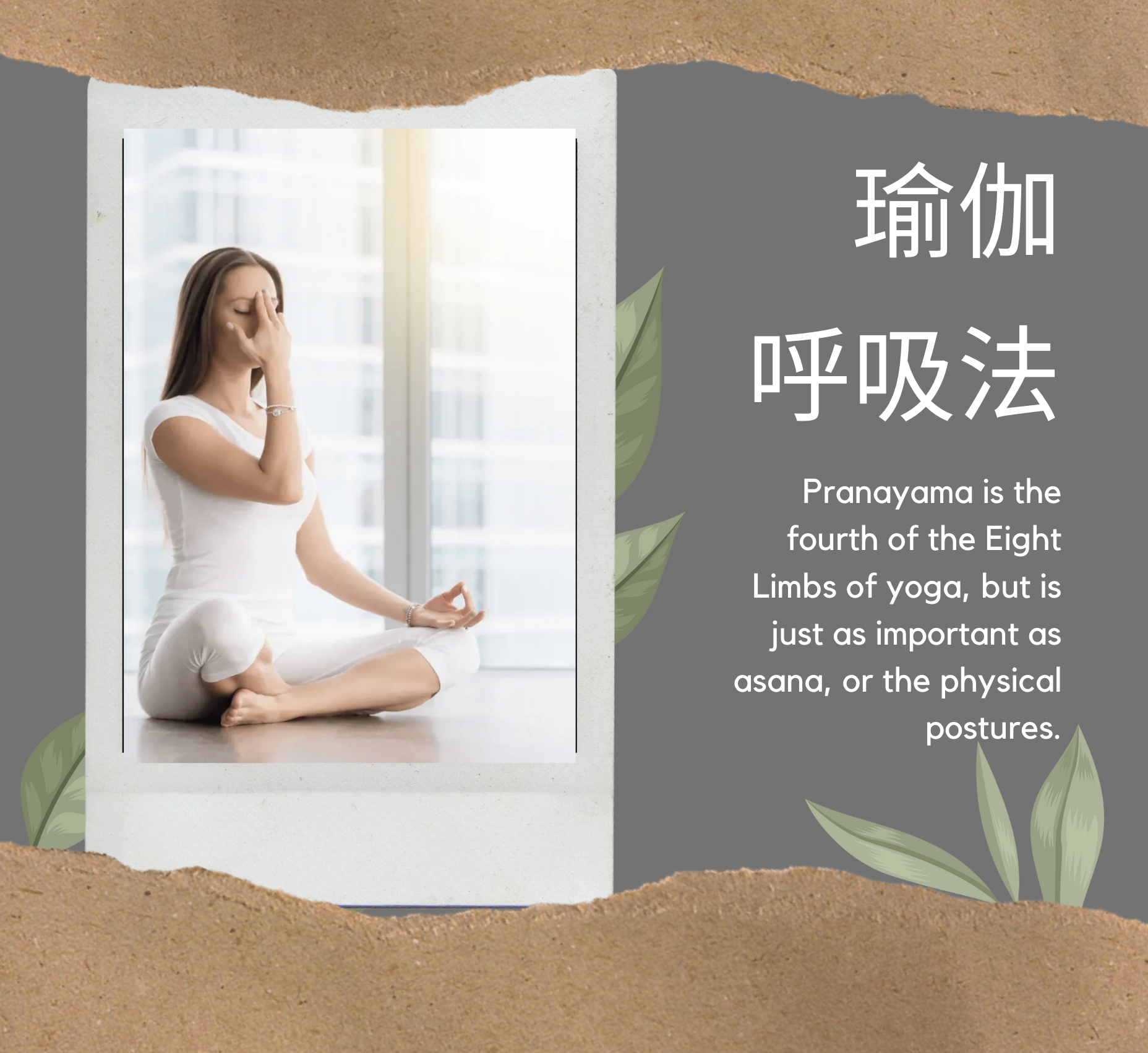
4. Pranayama — breath practice
5. Pratyahara — drawing the senses inward
6. Dharana — concentration
7. Dhyana — meditation
8. Samadhi — a state of union

Asana is only the third limb. This means that the yoga poses we practise in class are only a small part of the full yoga system. The heart of yoga is a full philosophy about how to know yourself and how to face life.

To learn more about the Eight Limbs and the Yoga Sutras, see The History of Yoga | 5,000 Years of Tradition.

How Yoga Can Change Your Life

The changes yoga brings do not always start with the body. When someone is willing to slow down, observe the breath, and feel the body, a door starts to open — a door to deeper connection with body, mind, and inner life.

In this process, you may slowly see that:

Stress does not always need to be fought
Emotions can be understood, not only pushed down
Limits in the body are not the same as limits in you

Most importantly, when the way you see yourself changes, the way you meet life also changes. Many things may stay the same, but your response changes, and that changes the whole experience.

The patience you learn on the mat moves into work. The acceptance you practise in poses moves into relationships. The calm you find in breathing moves into the hard moments of life.

The real value of yoga is not what pose you can do.
It is how you meet yourself in the practice.

Why We Teach Yoga

I did not start teaching yoga only because I loved the poses. I started because I experienced for myself how yoga can change the way a person faces life.

What yoga gives is not only physical change. When someone slows down and starts to feel the breath and body, a door opens — a door to deep rest, inner peace, love, and joy.

FOUNDER'S NOTE

“When the way you see yourself changes, the way you face life changes too. Many things may stay the same, but when your response changes, the whole experience changes.”

— Janet Siu, Founder of ForAllYoga

The Role of ForAllYoga

At ForAllYoga, we do not only want to teach a course or train students to complete poses. We want to do something deeper: help each student open this door.

We want students not only to “do yoga,” but to truly understand it, experience it, and bring it into daily life.

That is why our courses focus not only on skill and teaching method, but also on:

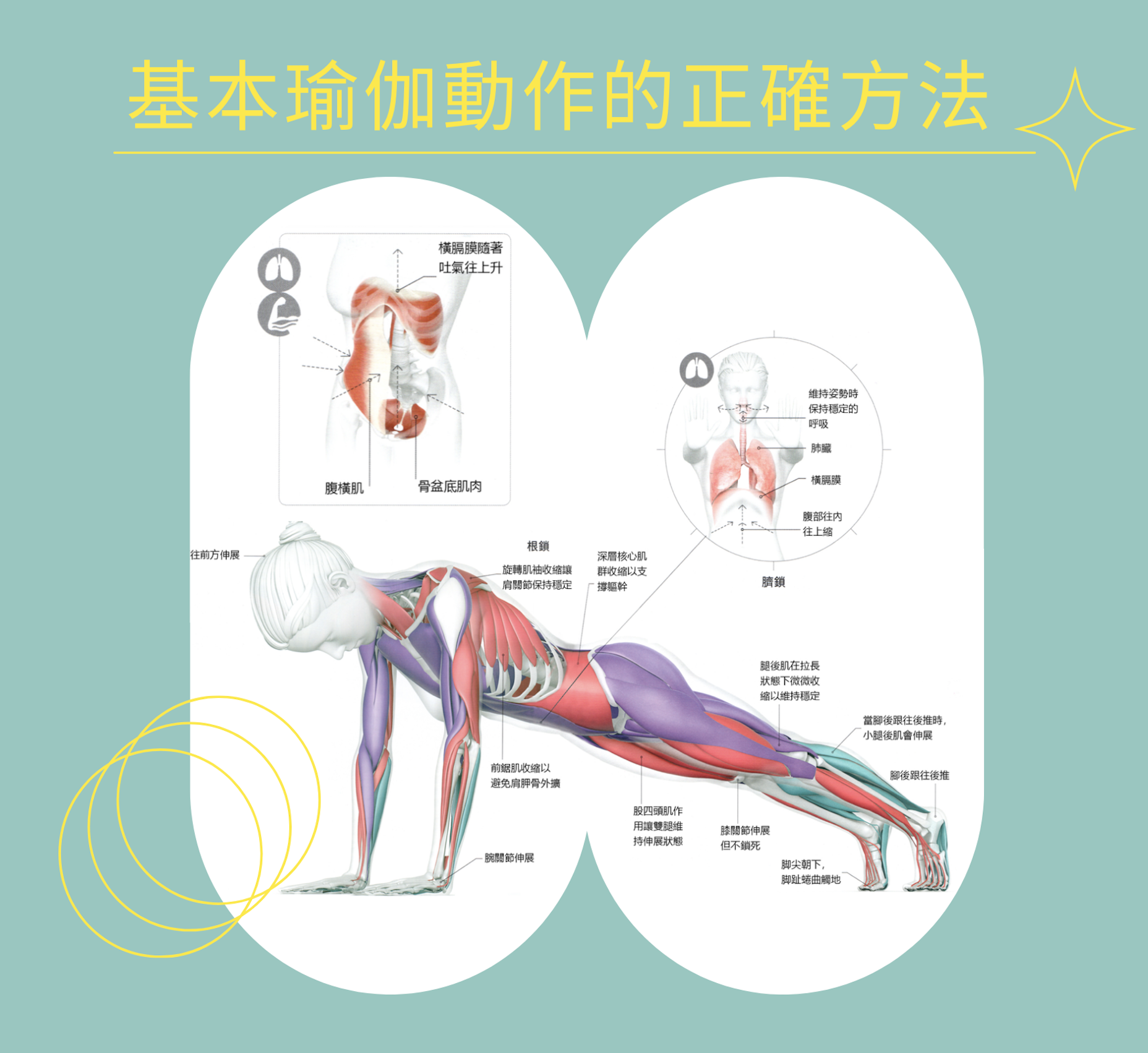
Breath and body connection

Breath is a key base of yoga. We teach students to move with conscious breathing in every practice.

Awareness behind the practice

We do not chase perfect-looking poses. We build awareness of the body and inner state.

Learning to adjust in real life

Students learn how to find balance in stress, tiredness, and emotional change, and bring mat practice into daily life.

Because we believe a good yoga teacher is not only someone who leads movements, but someone who can walk with students through change.

The Change We Believe In

We do not expect every student to become a teacher. But we do hope every person who finishes the course takes away one thing:

A kind of inner steadiness you can use in life

When life is going well, you know how to stay aware. When life is hard, you also have the strength not to be fully pulled away. This steadiness does not come from outside conditions. It comes from your relationship with yourself.

Across more than 53 rounds of RYT-200 training, over 700 graduates have already gone through this journey. Read their real stories here: 20 Graduate Stories.

Start Exploring Yoga

Whether you are completely new to yoga, or already practising and want to understand it more deeply, the topics below can help you see the full picture from different angles:

FAQ

Is yoga suitable for someone with no sports background?

Yes. Yoga does not require talent or experience. It only asks that you are willing to begin. Every pose has easier and harder versions, and a good teacher can adjust the practice to your body.

My body is stiff. Can I still do yoga?

Yes. A stiff body is often one reason to start yoga. Yoga is not a flexibility contest. It is about practising with awareness in the body you have now. With steady practice, flexibility often improves over time.

How is yoga different from normal exercise?

Most exercise mainly trains the body. Yoga works with body, mind, and inner state together. Through the link between breath and movement, yoga can build strength, ease stress, support emotional health, and deepen self-awareness.

Where can I learn yoga in Hong Kong?

Yoga Refine is in Causeway Bay and offers daily yoga classes and Yoga Alliance recognised RYT-200 yoga teacher training, with CEF approval. You are welcome to book a trial class.

START YOUR YOGA JOURNEY

Ready to Experience Yoga for Yourself?

Whether you want to try one yoga class or study yoga in a full way and become a teacher, we are here to help you begin.

Book a Trial Class on WhatsApp RYT-200 Course Guide →

★ Google 4.9/5 rating · 2,000+ graduates · 2 minutes from Causeway Bay MTR

FORALLYOGA · HONG KONG YOGA ACADEMY

4/F, 17 Yun Ping Road, Causeway Bay · +852 6104 0100
forallyoga.com

★ Google 4.9/5 rating · Read real reviews

```


CEF 資助計算機